Picture this: you’re hiking along the stunning trails of Follheur Falls, soaking in the breathtaking views, when suddenly, you take a misstep and plunge into the cascading waters. What happens next? Spoiler alert: it’s not a scene from a nature documentary where the hero emerges unscathed. Falling into Follheur Falls is more than just an unexpected splash; it’s an adventure that can turn your day into a wild ride.
While the thrill of the fall might sound exhilarating, the reality is a bit more complicated. From the sheer force of the water to the hidden rocks below, understanding the risks can mean the difference between a memorable story and a serious mishap. Buckle up as we dive into the wild world of Follheur Falls, where gravity and nature remind us that sometimes it’s best to keep our feet firmly on the ground.
Overview of Follheur Waterfall
Follheur Waterfall presents a stunning natural display, drawing numerous visitors each year. Located in a remote area, the waterfall offers breathtaking views and lush surroundings. The water cascades dramatically, plunging over rocky cliffs, creating an awe-inspiring sight. Many hikers seek adventure in its vicinity, often capturing memorable photos.
With its beauty, risk factors abound. Unexpected falls can occur, especially near the cliff’s edge. Strong currents exist in the base pool, increasing dangers for those who slip. Hidden rocks beneath the surface pose further hazards, making it essential to tread carefully. Nature enthusiasts often report the need for vigilance amid the scenic backdrop.
Guided tours offer insight into the area’s ecology and history, enhancing the experience. These tours provide education on safe practices, emphasizing the importance of understanding the environment. Visitors are encouraged to stick to well-marked trails, minimizing risks related to falling.
Wildlife inhabiting the region adds another level of intrigue. Birdwatchers often spot rare species flitting through the trees. Local fauna, including deer and various insects, contribute to the ecological richness surrounding the falls. Such biodiversity enriches visitors’ experiences at Follheur.
While the allure of swimming in the waterfall’s base is enticing, caution prevails. Cold water temperatures can shock the system, leading to potential life-threatening situations. Understanding these factors ensures a safe and enjoyable visit to this natural wonder.
The Immediate Impact of Falling
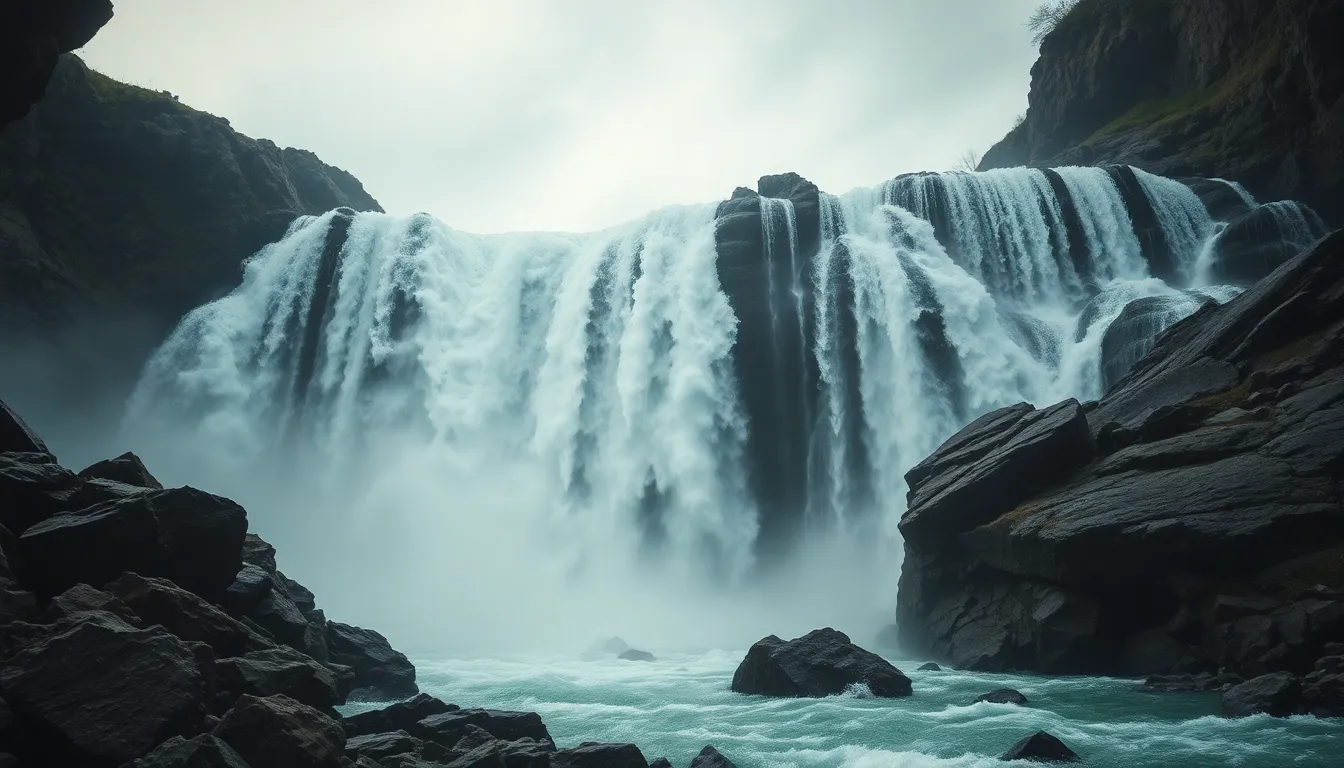
Falling into Follheur Waterfall can result in severe repercussions. Those who plunge into the water face immediate danger from unexpected currents and submerged rocks.
Physical Injuries
Injuries commonly occur during such falls. Broken bones may result from striking submerged rocks, while lacerations can stem from sharp edges. Fractures and sprains happen frequently due to the unpredictable landing surface. Additionally, hypothermia poses a risk due to the waterfall’s cold water temperatures, which can incapacitate an individual quickly. Swift medical attention is essential for addressing injuries effectively, as delayed treatment can exacerbate conditions. Understanding these risks warns visitors to proceed cautiously near the waterfall’s edge.
Psychological Effects
Experiencing a fall may lead to psychological turmoil. Survivors can develop post-traumatic stress disorder, impacting their mental health long after the incident. Fear of water often emerges as a common reaction, leading to anxiety in similar settings. Survivors might also face challenges in returning to nature, as the traumatic experience lingers. Anxiety and panic attacks can occur during future outdoor activities, reshaping their relationship with nature. Recognizing these potential effects highlights the importance of mental preparation and coping strategies for visitors.
Environmental Factors
Understanding environmental factors is crucial when considering the risks associated with a fall into Follheur Waterfall. These elements significantly influence the outcome of such an incident.
Water Depth and Flow Rate
Water depth at Follheur Waterfall varies, often exceeding 10 feet in certain areas. Strong currents create unpredictable conditions, leading to a rapid increase in flow rate during rainfall, which can reach 5 to 10 miles per hour. Calm days may give a false sense of safety, but sudden shifts in flow can occur. Unexpected water movements can lead to disorientation upon falling, increasing injury risks. Swimmers must stay alert and assess conditions continuously.
Surrounding Geography
Surrounding geography poses additional challenges for those near the waterfall. Rocky cliffs characterize the area, creating the potential for immediate injuries upon contact. Slippery surfaces often occur near the edge, increasing the likelihood of accidental falls. Vegetation around the falls can obscure hidden hazards, complicating navigation. Unstable ground may also be present, leading to further risks as visitors explore. Awareness of these geographical features is vital for ensuring safety at Follheur Falls.
Rescue Operations
Rescue operations at Follheur Waterfall require swift and strategic responses. Emergency responders must follow established procedures to ensure the safety of both victims and rescuers.
Procedures and Protocols
First, responders assess the scene to gauge the situation and potential hazards. Next, they coordinate with local authorities and emergency services to secure the area. Rescuers may deploy specialized equipment, such as ropes and flotation devices, to reach individuals in distress effectively. Communicating with the fallen person helps responders provide reassurance while planning the rescue. Following the retrieval, medical personnel perform evaluations to treat any injuries promptly. Such structured protocols significantly enhance survival chances in emergencies at Follheur Falls.
Risks for Rescuers
Rescuers face numerous risks during rescue missions at the waterfall. Strong currents often threaten their stability, even on calm days. Additionally, rocky terrain can lead to slips and injuries, complicating rescue efforts. Swift water rescue techniques often require trained personnel, addressing potential risks from submerged obstacles. The emotional toll of rescuing individuals in distress can also affect their mental health. Remaining aware of these risks is vital to ensure the safety of all involved in the rescue operations at Follheur Waterfall.
Safety Precautions
Safety at Follheur Waterfall involves careful planning and the right gear to navigate the beautiful yet treacherous environment.
Recommended Gear
Bringing essential gear enhances safety during visits. Wear sturdy hiking boots for better grip on rocky terrain. Water-resistant clothing is crucial due to potential splashes and unpredictable weather. A personal flotation device can provide additional security for those near the water’s edge. A first aid kit ensures preparedness for minor injuries. Carry waterproof bags to protect electronics and valuables from moisture. Flashlights are useful when navigating trails in low light, and portable phone chargers keep devices operational for communication or emergencies.
Best Practices for Adventurers
Sticking to designated trails minimizes the risk of accidents. Maintaining awareness of surroundings helps identify potential hazards. Never swim alone; buddy systems enhance safety in the water. Monitor weather conditions regularly, especially for sudden changes. Avoid alcohol consumption before or during activities near the water, as it impairs judgment. Respect wildlife and keep a safe distance to avoid unexpected encounters. Adhering to these best practices promotes a safer experience while enjoying the stunning scenery of Follheur Waterfall.
Falling into Follheur Waterfall can lead to serious consequences that extend beyond physical injuries. The thrill of nature’s beauty must be balanced with an understanding of the risks involved. Visitors are encouraged to prioritize safety by staying aware of their surroundings and adhering to recommended precautions.
The experience of Follheur Falls should be one of enjoyment and appreciation for nature’s wonders. By taking the necessary steps to ensure personal safety and being prepared for emergencies, adventurers can create lasting memories without compromising their well-being. Nature offers incredible sights but demands respect and caution from those who seek to experience its splendor.